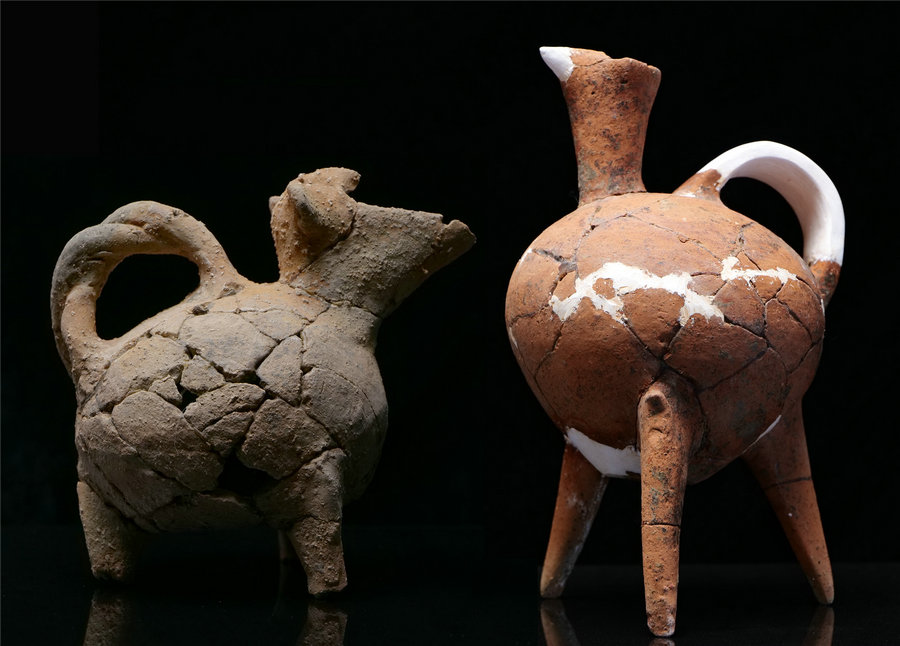
Wangzhuang Site
Introduction
The Wangzhuang Site, situated in Yongcheng county, Henan province, has been heralded as one of China's top 10 new archaeological discoveries of 2023. This announcement comes as a significant acknowledgment in the field of archaeology, highlighting the importance and potential of the site within the broader context of Chinese history and prehistoric study. Spanning approximately 630,000 square meters, this extensive site offers a remarkable glimpse into ancient human civilization, specifically associated with the Dawenkou Culture, which flourished around 5,000 years ago. The discovery at Wangzhuang marks a pivotal moment, being the first evidence of such cultural remnants in Shangqiu, Henan province.
Historical Background
The Wangzhuang Site is deeply rooted in the Dawenkou Culture, a Neolithic culture that thrived in the Shandong province and neighboring areas around 4300-2500 BC. This culture is known for its distinctive pottery, emerging social stratification and elaborate burial customs. The discovery of the cemetery at Wangzhuang underscores the cultural and historical significance of the site, offering crucial insights into the settlement patterns and social rituals prevalent during the Neolithic Age in this region. The presence of such a site in the eastern part of Henan province suggests a wider geographical spread of the Dawenkou Culture than previously documented, indicating cultural exchanges between the Central Plain and the Haidai region in East China's Shandong province.
Archaeological Discoveries
Excavation History
The excavations at the Wangzhuang Site have been a milestone for archaeologists working in China, contributing significantly to the understanding of prehistoric human activities. The site was identified as a cemetery linked to the Dawenkou Culture, making it a critical area of interest for researchers delving into ancient settlement forms and social customs. The discovery of the cemetery not only adds a new dimension to the knowledge base regarding the Dawenkou Culture but also expands the geographical understanding of this culture's reach. This excavation forms part of a larger initiative conducted in the past year, with the Wangzhuang Site being selected as one of the top 10 for its outstanding contributions to the field.
Artifacts Found
The artifacts unearthed at the Wangzhuang Site include a variety of items such as pottery, jade wares and stone wares. These items are instrumental in shedding light on the ancient rituals practiced during the prehistoric era, offering a window into the lives and cultures of people who lived thousands of years ago. The pottery excavated is particularly indicative of the Dawenkou Culture, characterized by its unique styles and craftsmanship. Jade wares found at the site suggest the importance of jade in social rituals and its role in the hierarchical structure of society. Stone wares, on the other hand, provide insights into the technological advancements and day-to-day activities of the people who inhabited this region. Together, these artifacts paint a comprehensive picture of the cultural and social dynamics of the ancient Dawenkou people.
Cultural Significance
The Wangzhuang Site holds substantial cultural importance as it not only contributes to the understanding of the Dawenkou Culture but also provides a broader perspective on Neolithic societies in China. The site plays a crucial role in exploring the cultural exchanges and interactions between different regions, such as the Central Plain and the Haidai region in Shandong. This discovery helps in piecing together the puzzle of prehistoric human civilization, providing evidence of complex social structures, ritualistic practices and cultural diffusion. The artifacts and burial customs uncovered at Wangzhuang offer valuable insights into the cultural evolution and development of early human societies in eastern Henan province and beyond.
Preservation and Conservation Efforts
Preservation and conservation efforts at the Wangzhuang Site are vital to maintaining the integrity and authenticity of the archaeological findings. Given its recognition as one of the top archaeological discoveries of 2023, special measures have been undertaken to ensure the site is protected from environmental and human-induced threats. These efforts include detailed documentation of the site, careful excavation techniques and the development of strategies to preserve the artifacts in situ and in museum settings. Collaboration between local authorities, archaeologists and conservation experts is crucial to safeguarding the site's historical and cultural value for future generations.








